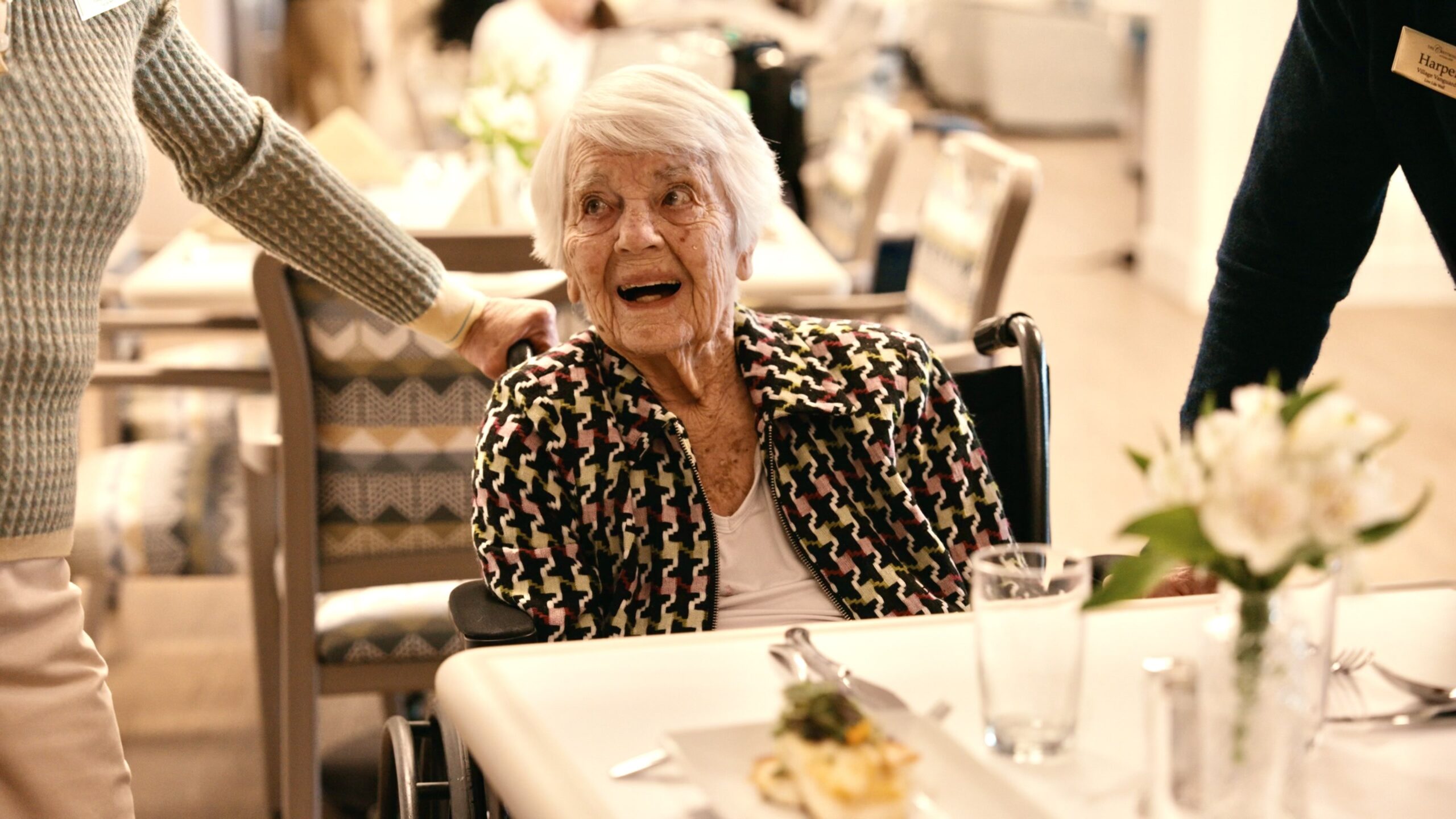
Parcside Neighborhood at The Crestmoor offers thoughtfully designed Memory Care suites tailored for comfort, safety, and peace of mind. Each residence features a walk-in shower with built-in bench and safety bars, in-home cable and WiFi, and an emergency response pendant with fall detection and call capabilities. Residents benefit from a secure, supportive environment with specialized care and daily engagement. As always, our pet-friendly policy ensures beloved companions are welcome, too.
What is Memory Care? Memory care is a specialized level of senior living designed to support individuals living with Alzheimer’s disease, dementia or other forms of cognitive decline. It becomes appropriate when memory loss begins to impact safety, daily routines or overall well-being, and when care needs extend beyond what can be comfortably managed at home. Unlike traditional assisted living, memory care provides a secure environment, structured daily programming and caregivers trained specifically in dementia support, offering a higher level of attention, consistency and engagement tailored to each resident’s needs.
Frequently Asked Questions
How do I know when my loved one needs memory care?
Signs may include increased confusion, wandering, safety concerns, difficulty with daily tasks or noticeable changes in behavior. When care needs begin to exceed what can safely and comfortably be provided at home, a memory care community offers the specialized support and environment your loved one deserves.
What is the difference between assisted living and memory care?
While assisted living provides support with daily routines, memory care is designed specifically for individuals with Alzheimer’s or dementia, offering enhanced safety, structured programming and caregivers trained in cognitive support and communication.
What types of conditions does memory care support?
Memory care communities support individuals living with Alzheimer’s disease, dementia, Parkinson’s-related cognitive decline and other memory-related conditions, with care plans tailored to each person’s unique needs.
What safety features are included in memory care communities?
Memory care environments are thoughtfully designed with secured access, intuitive layouts and 24/7 support, helping to reduce confusion while allowing residents to move about with confidence and dignity.
How are daily routines structured in memory care?
Residents benefit from consistent, thoughtfully designed daily routines that include dining, enrichment, wellness and rest—creating a sense of familiarity that reduces anxiety and enhances overall well-being.
What kind of training do caregivers receive?
Memory care caregivers receive specialized training in dementia care, including communication techniques, behavioral understanding and compassionate, person-centered support tailored to each resident.
How are activities tailored for residents with memory loss?
Programs are designed to engage the mind, body and spirit, incorporating music, art, movement and reminiscence-based activities that connect residents to meaningful experiences and personal history.
How does memory care support emotional well-being?
Through structured routines, meaningful engagement and genuine human connection, memory care helps reduce anxiety, elevate mood and foster a sense of purpose and belonging.
How can families stay involved in their loved one’s care?
Families remain an important part of daily life through visits, events, communication and care planning—ensuring ongoing connection, transparency and peace of mind.
What should we consider when choosing a memory care community?
Look for a community that offers expert caregivers, a secure and elegant environment, personalized care and a philosophy centered on dignity, respect and quality of life.
Questions You Might Be Asking Yourself
Is it normal to feel guilty about moving a loved one into memory care?
Yes—and it’s more common than you might think. Many families feel a sense of responsibility to keep their loved one at home. In reality, choosing memory care is often an act of love, ensuring they receive the level of attention, safety and engagement that cannot always be sustained at home.
Are we “giving up” by moving our loved one out of the home?
Not at all. You are transitioning from being the primary caregiver to being a family member again. Memory care allows you to focus on quality time, connection and meaningful moments—while a dedicated team provides around-the-clock support.
How do I know if our current caregiving situation at home is no longer sustainable?
If caregiving is becoming physically or emotionally overwhelming, if safety is a concern, or if your loved one is becoming isolated, it may be time to consider a new level of care. You don’t have to wait for a crisis to make a change.
Will my loved one receive more engagement than they do at home?
In many cases, yes. Memory care communities provide structured daily engagement, social interaction and specialized programming that can be difficult to replicate consistently at home, even with dedicated caregivers.
How does memory care improve quality of life—for both residents and families?
Residents benefit from routine, safety, socialization and expert care, while families experience relief, reassurance and the ability to return to a more meaningful, less stressful relationship with their loved one.
What if my loved one resists the idea of moving?
This is very common. Our team works closely with families to guide the transition with compassion and understanding, helping residents adjust at their own pace in a supportive, welcoming environment.
Making a Compassionate Choice
Making the decision to move a loved one into memory care is never easy, but it can be the most compassionate choice for their safety, well-being and overall quality of life. You are not stepping back. You are ensuring they are surrounded by the care, dignity and support they deserve.
Members living in our memory care Parcside Neighborhood experience an atmosphere of joy, dignity, and purpose inspired by our SOAR memory care program. Built upon research and the belief that everyone’s memory holds immeasurable value, the SOAR program guides us in weaving past and present memories into each resident’s daily life.
Trained in the SOAR program, our certified caregivers are committed to designing and providing individualized care, engaging activities and heartfelt human interactions in a home surrounded by familiar belongings and personalized to each member’s experience.
Thanks to our association with The Neuroscience of Memory, Mood, & Aging Lab at Rice University in Houston, we have our finger on the pulse of memory loss research. Innovation and compassion are at the heart of our memory care Purpose Points and our SOAR Signature Programs.
Purpose Points
Each area is designed to evoke a sense of purpose in our residents. This aligns with research telling us that maintaining a sense of purpose has positive effects in the change of cognitive function.
In the Garden – Enjoy the bounty of hours spent in the garden. Keep active and awaken thoughts of good times past.
Tool Station – Start new workshop projects, fix up old cars, or find something enjoyable that provides therapy for the mind and body.
Laundry – Perform common household tasks from sorting, hanging, and organizing clothes, to emptying or cleaning detergent containers.
Nursery – Recall memories of parenthood, and spark feelings and habits of caregiving and nurturing.
Signature Programs
Our Signature Programs are designed to ignite cognitive engagement and promote well-being and socialization.
Positive Affirmations – We start each day with good news stories, words of appreciation, meaningful discussion, and friendship.
Aspenwood University – We conduct classes personalized to residents’ interests for continued learning opportunities.
Unwind & Relax – Every afternoon, we decrease anxiety by creating a calm, peaceful environment for residents through sensory programs utilizing music and aromatherapy.
Get Energized – Residents enjoy a morning workout with music and movement. In the afternoon, we focus on large motor skills with movement therapy and hand-eye coordination.
In the Moment Activities – These 30-second, “in-between” the calendar activities support connection and build self-esteem.
Parcside Projects – The Aspenwood Company communities seek out local organizations to support and partner with in honor of our SOAR residents, families, and team members.
Memory Care Floor Plans
Expert Care. Genuine Compassion.
Our approach to memory care is grounded in both expertise and compassion, with a dedicated team specially trained in dementia care providing personalized support that honors each resident’s unique history, preferences and evolving needs. With a focus on safety, consistency and meaningful engagement, we create an environment where residents feel secure, supported and truly at home.
For families, this transition is often emotional, and that’s completely understandable. Choosing memory care is not about stepping away. It’s about ensuring your loved one receives the care, connection and dignity they deserve, while giving you peace of mind and the ability to return to what matters most. Simply being family.